 Cart
CartThe Emergent Poetics of Winding Oars Instructor: Georgiana CojocaruProgram: Transdisciplinary StudiesDate: 19,26 MarchTime: 02:00 pm ET
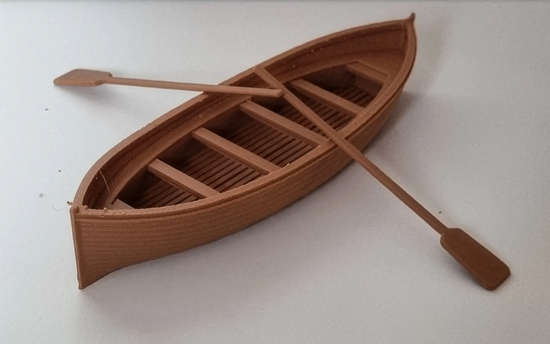
DESCRIPTION: This workshop takes the metaphor of winding oars (instruments of creation over which the writer has limited control in the rapids of thought, preference, and expression) as its guiding figure. It weaves allusions to what biologist Michael Levin calls the morphospace: a field of possibilities in which embodiments can exceed the material.
We argue that morphic refactoring — the improvised, on-the-fly repurposing of biological material under pressure — has been practiced by many poetic schools of the 20th and 21st centuries in ways that transcend trauma-informed, confessional, or memorialistic modes. These practices take mental and bodily shrapnel, ruins and fragments of experience, and depart from the writer’s self: from what is proper to the individual, caught in severity, deformed by geopolitical violence, historic cruelty, or the technological metabolisation of the subject.
Somatic practices, and writing workshops grounded in Western trauma scholarship, often reinforce the coherent self as the site of healing — ready to be digested into neoliberal, colonial subjectivity. Instead, this seminar contemplates creative forces that reorganize subjectivity at its root: dissolving calcified selves, channeling supra-personal forces.
We have chosen poets who invoke third spaces and their signals — not yet known — with assertoric energy and analytical gentleness: anti-confessional, militant, re-constitutive, breaking literary expectancy with a murmur beyond repair or emancipation (itself a liberal aspiration).
Against Promethean calls to unmake oneself in the pull of the Outside, and equally against fatalistic self-immolation that rejects any restoration, this seminar explores writing that lets the self cohere around a convergence of morphic intents: an authorial “I” that becomes a chorus, temporary, manyfold, coordinated.
Session One: Stolen Time, Rotten Conditions — Misprisions and Anti-Confessional Writing
We read Anna Mendelssohn and Tom Raworth in symmetrical dialogue, tracing how poets move through their grounding in experience and biography toward a force that transcends both. From there we map poetic modes that mishear, mistreat, or refuse the “I” as site of truth or recovery — practicing fragment, interference, and dissonant form against the compulsive coherence of the liberal subject.
Prompts: Collect one week’s worth of words from your surrounding reality — readings, searches, meals, conversations. Compose lists and indexes, draw, write around them. Then, starting from Mendelssohn’s edict that “Poetry does not deserve evil keepers,” imagine a keeper worthy of poetry: what species is it, to what order of existence does it belong? Write around it in 4 x 10-minute sessions (details tba).
Session Two: Neural Wounds and the Second “I” — From Reactivity to Emergence
This session traces the faultline between poetic reactivity and suprasubjective force, writing not from the wound but through it. We explore how neural, bodily, and social zones can be reorganized as sites of collective sensing rather than personal crisis, moving toward the conditions of emergence: how the second “I” becomes possible not through transcendence but through the reorganization of what passed through the writing subject.
Prompts: Isolate a plot-cell or a Volta (Petrarch). Draw your plot material as circuitry. Ask not “what happened to me?” but “what passed through me?” What does this event disrupt, channel, organise, refuse? The session closes with no readings — live writing prompts, work presentation, exchanges, observations, reviews, and suggestions.
IMAGE: Johannes Evangelista Purkinje, Contributions to the Knowledge of Vision in Subjective Regard (Breslau, second edition)
To see The New Centre Refund Policy CLICK HERE.
To see The New Centre Refund Policy CLICK HERE.